
Guides · · Updated · 4 min read
Seoul Travel Guide 2026: The Ultimate City Escape
By eSIMtree
As of August 2026, Seoul remains one of Asia's most dynamic travel destinations, offering an incredible blend of Joseon-era palaces and high-tech urban landscape. Whether you are seeking historical depth in Bukchon or the latest K-pop trends in Gangnam, visiting during late summer provides a lively, albeit humid, atmosphere. Always check local guidelines for entry requirements and public transit updates before your departure.
Key takeaways
- Prioritize early morning visits to palaces to avoid peak August heat.
- Use a T-Money card for seamless integration across all public transit modes.
- Rely on Naver Map or KakaoMap instead of Google Maps for precise navigation.
- Stay connected with a travel eSIM to easily access transit apps and language translation tools on the go.
- Explore both the historical northern neighborhoods and the modern southern districts for a complete experience.
Exploring Seoul: A Modern Metropolis with Deep Roots
The Seoul travel guide approach focuses on balancing the city's fast-paced energy with its historical stillness. Start your journey in the Jongno district, where the Gyeongbokgung Palace stands as a testament to the Joseon Dynasty. August is a warm month, so plan your outdoor sightseeing for the early morning or late evening when the temperatures are more manageable. Between visits to grand temples and sprawling night markets, ensuring you have reliable data is vital; a Seoul travel eSIM makes navigating the complex subway maps and real-time transit apps seamless without needing physical SIM card swaps at the airport.
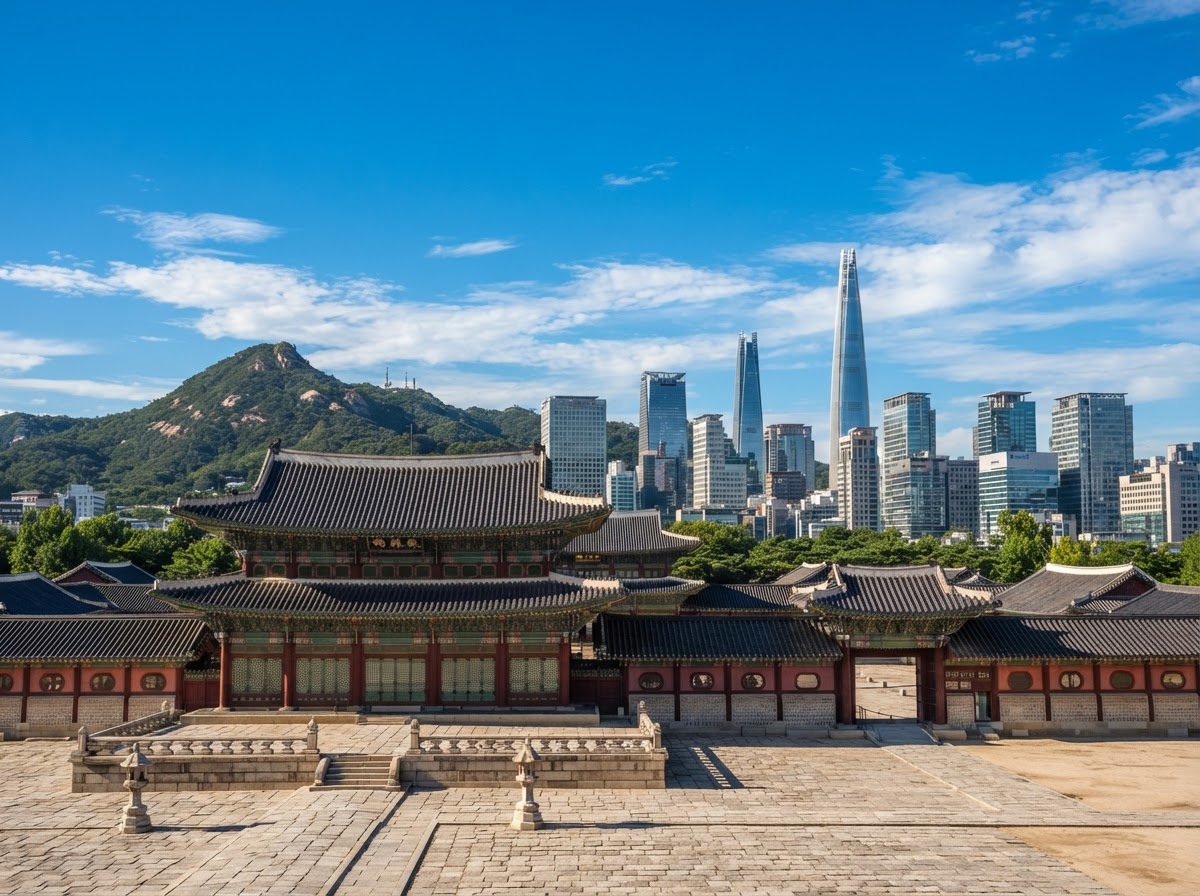
Beyond the major palace complexes, the city’s heart beats in the narrow alleys of Ikseon-dong. This neighborhood has transformed historic hanok houses into trendy cafes, craft beer bars, and small boutiques. It represents the perfect microcosm of Seoul: where the preservation of heritage meets the relentless drive for modern hospitality. Walking these streets at sunset allows you to witness the city transitioning from a bustling workday hub into an atmospheric neon-lit evening destination, perfect for street photography and local culinary exploration.
Top Neighborhoods for Every Traveler
Seoul is divided by the Han River, with each district offering a distinct flavor. On the north side, you will find the soul of the city. Bukchon Hanok Village offers a glimpse into traditional Korean living, while Insadong is perfect for purchasing tea, calligraphy, and handcrafted souvenirs. If you are looking for contemporary art, galleries, and cafe culture, head toward Samcheong-dong, which sits adjacent to the palace walls and offers a quieter, more refined pace of life compared to the central business districts.
Across the river, the landscape shifts toward the ultra-modern. Gangnam remains the epicenter of fashion, luxury shopping, and global trends. For those interested in university life and indie fashion, Hongdae is the place to be, offering a younger crowd and endless street performances. If you prefer a more bohemian vibe with unique boutique shops, visit the streets of Itaewon. Itaewon is also the most culturally diverse neighborhood, offering a wide array of international cuisine that provides a refreshing break from traditional Korean spice if you are staying for an extended period.
For a unique perspective on the city's scale, visit the Dongdaemun Design Plaza (DDP). Designed by the late Zaha Hadid, this neo-futuristic structure is a hub for design exhibitions and fashion shows. It is particularly striking at night, making it an essential stop for anyone interested in 21st-century architecture.
Essential Logistics and Getting Around
Navigating Seoul is incredibly efficient thanks to the city's world-class public transportation system. The following list outlines key logistics for a smooth visit as of August 2026:
1. T-Money Card: Purchase this rechargeable card at any convenience store. It covers subways, buses, and even taxi fares. You can also link digital versions to your smartphone if your device supports local payment systems. 2. Subway Navigation: Download apps like KakaoMetro or Naver Map; Google Maps has limited functionality in South Korea for walking directions and transit routing due to local data security policies. 3. Airport Transit: The AREX (Airport Railroad Express) is the fastest way to get from Incheon International Airport to Seoul Station. Express trains run every 30-40 minutes and provide a comfortable, climate-controlled ride into the city core. 4. Connectivity: Using a travel eSIM allows you to stay connected via local networks immediately upon arrival, avoiding roaming charges while using essential navigation apps. This is critical for catching bus transfers, which can be confusing without live-tracking features enabled on your mobile device.
Seasonal Advice for 2026
August marks the tail end of the intense summer heat and the arrival of the monsoon season, though rain showers are often short-lived. Travelers in should pack breathable clothing and prepare for high humidity. If you find the heat overwhelming, retreat to the city's many underground shopping malls or air-conditioned museums, such as the National Museum of Korea, which houses an immense collection of Korean artifacts.
Evening festivals and food events are frequent in August, offering a cooler way to experience the city's famous street food culture. Don't leave without trying Bingsu (shaved ice with sweet toppings), which is the ultimate summer treat to combat humidity. Visiting the Han River parks in the evening is another local favorite activity, where you can order delivery chicken and beer directly to your picnic mat while enjoying the cooling riverside breeze.
eSIM plans in this guide
Frequently asked questions
Do I need a local SIM card to get around Seoul?
While public Wi-Fi is common in Seoul, having your own dedicated mobile data is highly recommended for real-time transit navigation. A travel eSIM provides a convenient, instant connection to local networks without the need to find a physical shop at the airport, ensuring you can use maps and translation apps immediately.
What is the best way to travel from Incheon Airport to downtown Seoul?
The AREX (Airport Railroad Express) train is the most efficient and cost-effective method, running directly from the airport to Seoul Station in roughly 45 to 50 minutes. Alternatively, airport limousine buses offer comfortable, direct service to major hotels across the city, though they are subject to traffic conditions.
Is it easy to find English-speaking staff in Seoul?
In major tourist areas, hotels, and department stores, English is widely spoken and signs are usually in both Korean and English. However, in smaller local markets or traditional restaurants, knowing a few basic Korean phrases or having a translation app ready on your phone will significantly enhance your interactions.